How to Build a Morning Routine That Actually Sticks
Most morning routines fail because they're too ambitious from day one. A smaller, more realistic approach survives busy and bad days alike.
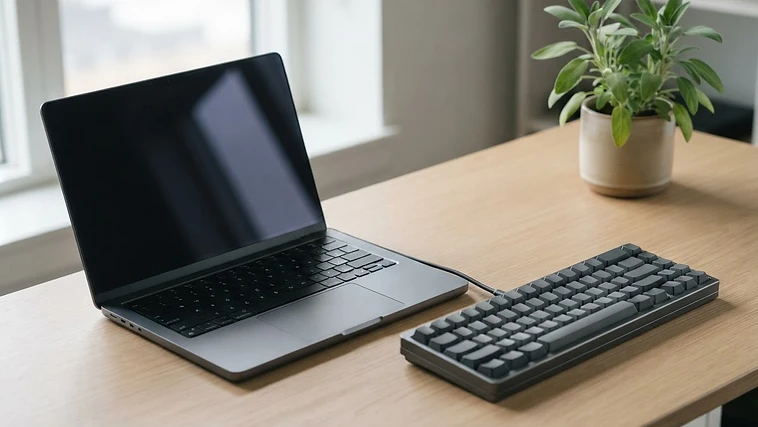
A five-step morning routine sounds great on paper, but it collapses the first time you oversleep. A smaller, more realistic approach lasts far longer.
Step 1: Start with One Habit, Not Five
Pick a single anchor habit small enough that skipping it feels wrong — making your bed, drinking water before your phone. Add a second habit only once the first feels automatic.
Step 2: Prepare the Night Before
Most morning friction happens the night before. Laying out clothes and writing your top three priorities removes decisions you'd otherwise make half-awake.
Step 3: Keep Your Phone Out of the First 15 Minutes
Checking messages first thing pulls your attention into other people's priorities before you've set your own.
Step 4: Build In a Buffer for Bad Days
Define a "minimum version" of your routine for rushed mornings. Doing the minimum still counts and keeps the habit alive.
Step 5: Anchor It to an Existing Habit
Habit stacking — "after I pour my coffee, I write three priorities" — borrows the automaticity of something you already do.
Step 6: Track It Simply
A basic checkmark on a calendar is enough. The goal is a visual reminder of consistency, not detailed data.
Once a two-habit routine feels automatic, add a third — rather than overhauling your whole morning at once.
Newsletter
Get new guides in your inbox
Practical how-tos, one a week. No fluff, unsubscribe anytime.
Keep reading
Related guides

A 90-Minute Deep Work Routine That Actually Sticks
Forget 4am cold plunges. This realistic deep work block fits a normal schedule and doubles focused output.
Read guideHow to Beat the 3pm Afternoon Slump Without Caffeine
The afternoon crash is biological, not a character flaw. Three fixes that work with your body, not against it.
Read guideHow to Start Journaling as a Complete Beginner
Most people who try journaling quit within two weeks because they start with an overly ambitious version. A lower-pressure approach lasts longer.
Read guide